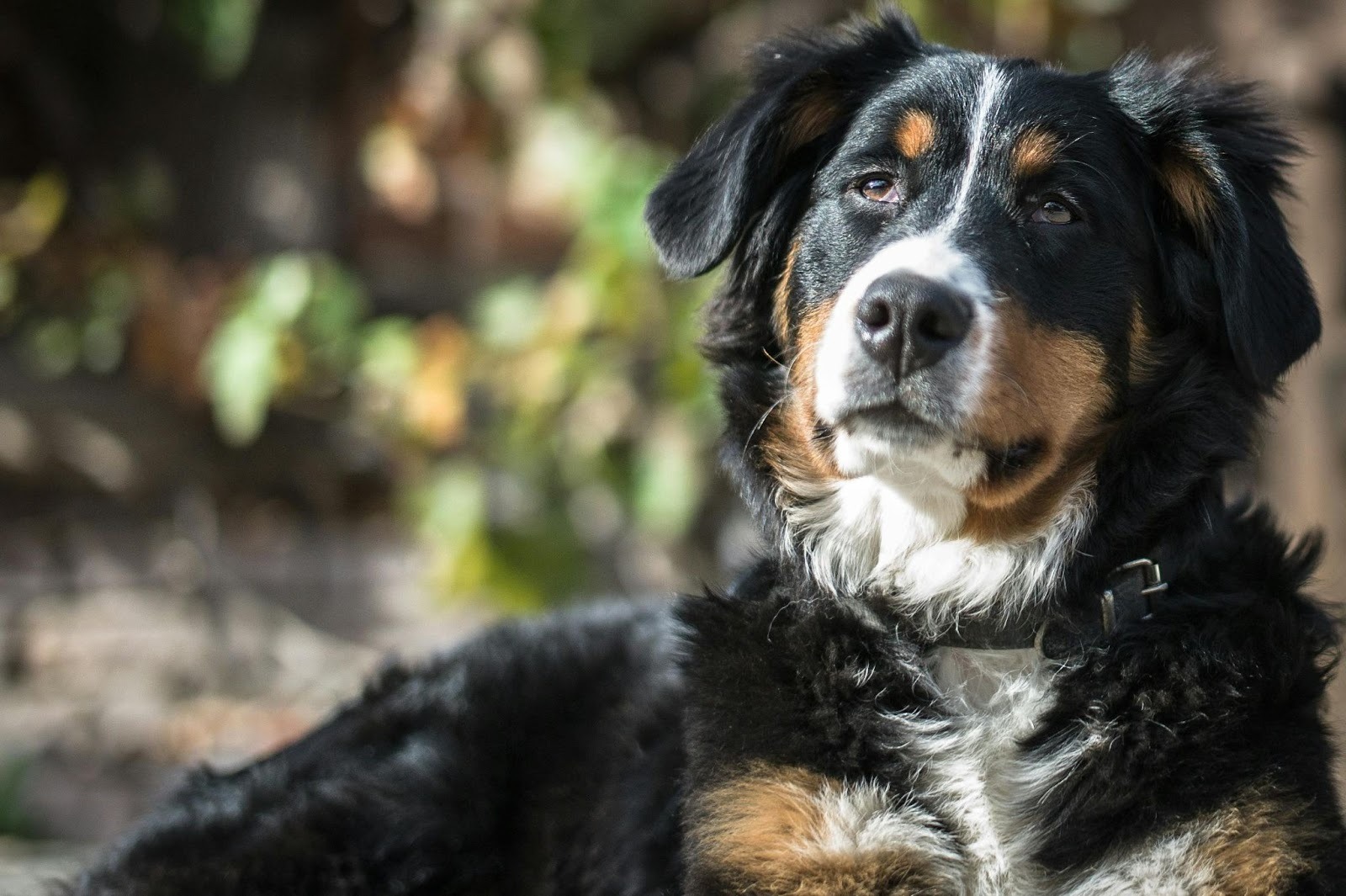

Animals experience pain, just as we do, and their pain is a critical component of their health that requires careful attention and understanding from pet owners and veterinarians alike. Here at Cloud Peak Vet Clinic, we encourage all owners to learn and recognize the subtle signs of pain in pets, as early detection can lead to more effective treatment and a faster recovery. Animals often hide their discomfort, so it is essential that you, as a pet owner, are monitoring for any changes. Regardless of what the pain is caused by, understanding the root cause is the best way to find the most appropriate treatment solution. With a wide range of treatment options available, Cloud Peak Vet Clinic is committed to providing comprehensive care tailored to your pet’s unique needs. By working together, we can significantly enhance your pet’s quality of life, ensuring they stay comfortable, healthy, and happy!
Your pet deserves a pleasant and happy life, so if you are worried that your companion is experiencing pain, do not hesitate to reach out to our dedicated and well-experienced team of professionals. Call Cloud Peak Veterinary Clinic at (307) 347-2781 or stop by our clinic directly with any concerns!
Signs of Pain in Animals
Animals, like humans, can experience pain from a wide range of causes, as we will discuss in the next section. However, animals often hide their discomfort, making it crucial that pet owners and caretakers recognize the more subtle signs. By identifying these early warning signs, you can ensure prompt treatment, which can alleviate suffering and even prevent more serious complications. Paying close attention to your pet’s physical and behavioral changes is key to understanding their well-being.
- Changes in Behavior: Pain can affect an animal’s temperament. You may notice increased aggression, irritability, or unusual withdrawal. They might seem less interested in play or socializing and may become more anxious or restless.
- Altered Movement: Limping, stiffness, or difficulty with mobility, such as trouble getting up, lying down, or avoiding stairs, are clear indicators of pain. Animals may also move more slowly or appear reluctant to engage in physical activities they previously enjoyed.
- Appetite and Eating Habits: A sudden decrease in appetite or difficulty eating could be a sign of pain, especially if the pain stems from the mouth, teeth, or digestive tract. Changes in drinking habits may also point to discomfort, particularly if the animal is experiencing kidney or urinary issues.
- Vocalization: If your pet starts vocalizing more frequently – such as whimpering, crying, or yelping, especially when touched – it’s a strong sign they are in pain. Some animals may also growl or hiss when they feel discomfort.
By closely monitoring your pet’s behavior, movement, eating patterns, and vocalizations, you can catch the signs of pain early, before more serious issues arise. Swift intervention by a trusted veterinarian can help diagnose the underlying issue and create a treatment plan to ensure your pet’s health and comfort. Always trust your instincts—if something feels off, it’s worth checking with a professional!
Possible Causes of Pain
Understanding the causes of pain in animals is crucial for determining the appropriate treatment and care. Just like in humans, pain in animals can result from a variety of sources, and identifying these causes can help pinpoint the underlying health issue. Whether from sudden trauma or ongoing conditions, recognizing the origin of your pet’s discomfort is the first step in ensuring their relief.
- Injuries: Trauma from accidents, falls, or fights often leads to acute pain in animals. Fractures, cuts, bruises, and sprains are some common examples. Even seemingly minor injuries can cause significant discomfort, and it’s essential to address them quickly to prevent further complications.
- Chronic Conditions: Long-term conditions, such as arthritis, hip dysplasia, and other degenerative, and often genetic, diseases, are frequent sources of ongoing pain. These conditions are more common in older animals but can also affect younger pets due to genetic or breed predispositions. Without proper treatment, the pain can worsen over time, severely affecting the animal’s quality of life.
- Internal Issues: Pain isn’t always related to external injuries. Organ diseases, such as kidney, liver, or heart problems, can cause significant internal discomfort. These conditions may be more difficult to detect but often present through symptoms like lethargy, vomiting, or changes in eating and drinking habits.
- Post-Surgery: After undergoing surgery, animals often experience pain during the healing process. This pain can be managed with medications and supportive care, but it’s crucial to monitor your pet’s recovery closely. Excessive pain post-surgery could indicate serious complications, such as infections or improper healing, that need to be addressed.
Knowing the possible causes of your pet’s pain can help you seek timely and appropriate care. Whether the pain stems from an injury, chronic illness, internal condition, or post-surgery recovery, consulting with a veterinarian is essential for determining the best course of action. By staying vigilant and proactive, you can help minimize your pet’s discomfort and get them back to feeling like themself!

Possible Underlying Health Issues
While some pain may seem obvious due to visible injuries, many causes of discomfort stem from deeper, less apparent health problems. By understanding these potential issues, you can work with a veterinarian to address the root cause and ensure your pet’s long-term health and comfort!
- Orthopedic Problems: Common joint-related issues such as arthritis, ligament tears, or hip dysplasia are common in animals, especially as they age. These conditions lead to significant discomfort and reduced mobility. Without treatment, orthopedic problems can worsen over time, making it difficult for your pet to move or engage in daily activities.
- Neurological Disorders: Conditions affecting the nervous system, such as intervertebral disc disease (IVDD) or nerve damage, can lead to neuropathic pain. This type of pain can be difficult to diagnose because it doesn’t always present with clear physical symptoms but may manifest as sudden behavior changes or unusual sensations in certain body parts. Speak to your vet immediately if you have any suspicions!
- Dental Problems: Oral health issues, such as tooth decay, gum disease, or oral injuries, are often overlooked but can cause severe pain. Animals with dental problems may struggle to eat, drool excessively, or exhibit signs of distress when their mouth is touched. Regular dental check-ups can help prevent these painful conditions.
- Digestive Disorders: Conditions like inflammatory bowel disease (IBD), gastritis, or pancreatitis can cause significant abdominal pain. Digestive disorders can be chronic, making it vital to manage the pain and underlying cause through dietary adjustments and medications.
Orthopedic, neurological, dental, and digestive problems are just a few potential causes that require a comprehensive approach to care. By diagnosing these issues early and working closely with a veterinarian, you can ensure that your pet receives effective care to relieve pain while improving their quality of life.
Common Treatment Options
When it comes to alleviating pain in animals, treatment options vary depending on the underlying cause and the severity of the discomfort. Just as with humans, an individualized approach is often necessary to ensure the most effective relief. The goal is not only to reduce pain but also to address the root cause, promoting long-term health and recovery.
- Medication: One of the most widely used treatments for pain relief is medication. In cases of infection, antibiotics may be used, while other pain relievers can be given for more generalized discomfort. It’s important to follow the veterinarian’s dosage recommendations carefully, as certain medications for humans can be toxic to animals.
- Physical Therapy: For animals suffering from chronic pain or recovering from an injury, physical therapy can be highly beneficial. Rehabilitation exercises are designed to improve mobility, strengthen muscles, and reduce pain over time. Physical therapy can also help animals regain strength and movement following surgery or injury.
- Surgery: In some cases, surgery is necessary to treat the cause of pain, especially for more severe and irreversible injuries like fractures, torn ligaments, or internal issues such as tumors. While surgery may temporarily increase discomfort during recovery, it often provides long-term relief and is sometimes the only option for resolving the issue.
- Alternative Therapies: Complementary treatments, such as acupuncture, chiropractic care, or laser therapy, are gaining popularity in veterinary medicine. These non-invasive therapies can help manage chronic pain, especially in older animals or those with conditions like arthritis. When used alongside traditional treatments, they can offer a holistic approach to pain management.
Effectively managing your pet’s pain requires a combination of traditional and, in some cases, alternative therapies tailored to their specific needs. Whether through medications, physical therapy, surgery, or complementary treatments, the goal is to provide relief while promoting overall health. Always consult with your veterinarian to determine the best treatment plan for your pet’s comfort and well-being.
Working Together for a Happier and Healthier Pet!
As discussed, understanding and addressing pain in animals is not just about alleviating discomfort – it’s about ensuring their well-being and quality of life. At Cloud Peak Vet Clinic, we emphasize the importance of early detection and comprehensive care for pets experiencing pain. By recognizing subtle signs and symptoms, pet owners can play a crucial role in prompt intervention and effective treatment. Whether the pain stems from injuries, chronic conditions, or post-surgical recovery, our dedicated team is committed to providing tailored solutions that prioritize your pet’s comfort and health.
Through a combination of medication, physical therapy, surgery when necessary, and innovative alternative therapies, we strive to alleviate pain and address the underlying causes. Our goal is to support your pet in leading a comfortable, active life. If you suspect your companion may be experiencing pain or discomfort, don’t hesitate to contact Cloud Peak Vet Clinic. Together, we can ensure your pet receives the compassionate care they deserve!
Remember, a proactive approach to pain management is key to preserving your pet’s health and happiness. Call us today at (307) 347-2781 or visit our clinic to discuss how we can support your pet’s well-being. Let’s work together to keep your furry friend thriving!