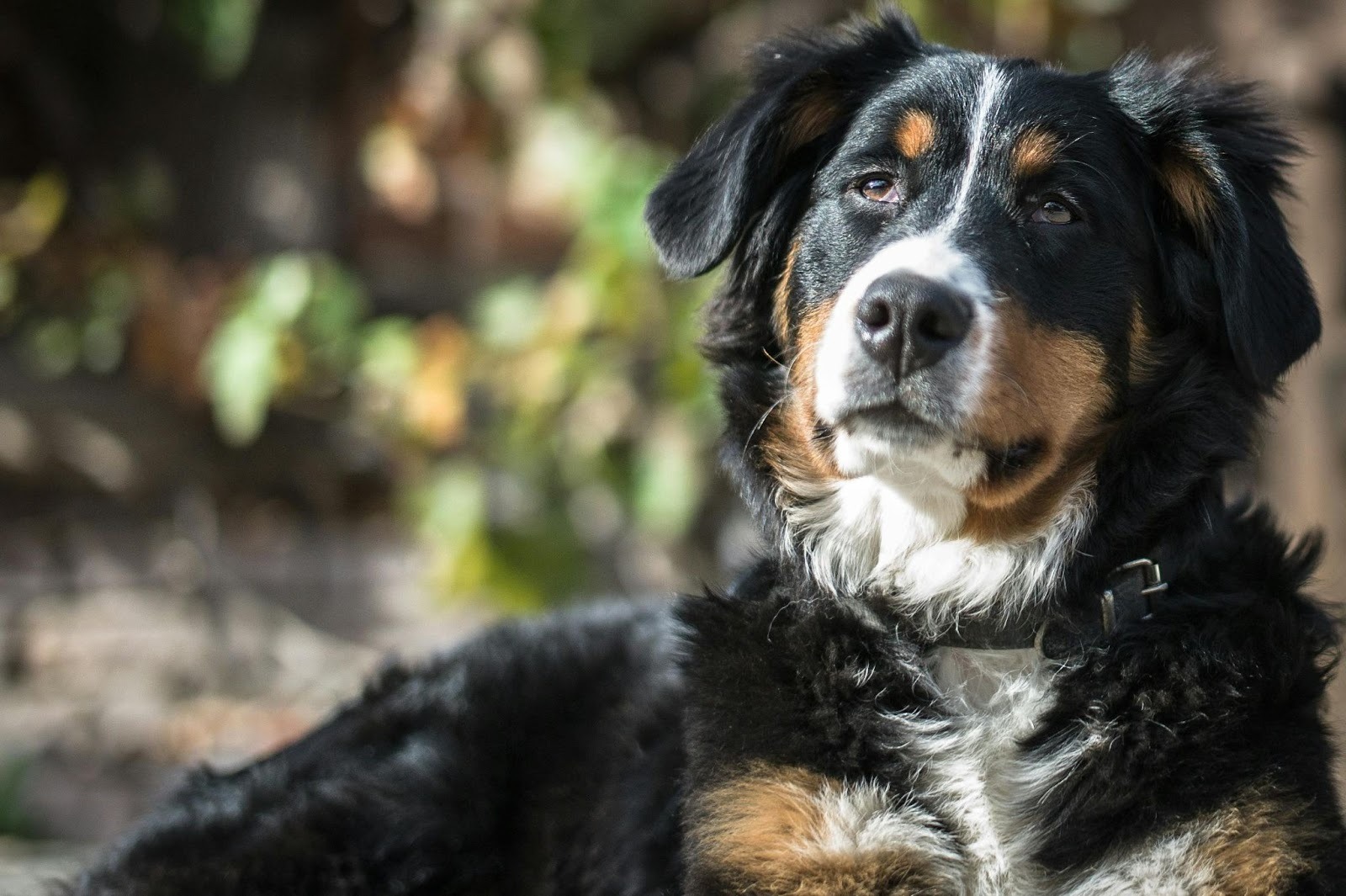

September is recognized as Animal Pain Awareness Month, a nationwide initiative designed to highlight how pain impacts the health and wellbeing of animals. Because pets and livestock cannot tell us when something is wrong, their pain often goes unnoticed. By focusing on awareness, animal owners can learn what signs to look for and why preventative care makes such a difference.
The signs of pain are often subtle. A dog that falls behind on daily walks, a cat that begins spending more time alone, or cattle that shift their weight frequently may all be showing early indicators of discomfort. These changes are easy to dismiss as part of aging or normal behavior, yet pain that is left untreated can affect far more than movement. It can interfere with appetite, alter temperament, and reduce overall quality of life. For pet owners and livestock managers here in Washakie County, catching these subtle signs at the first chance gives animals the best chance at staying healthy and active.
In this article, Cloud Peak Vet Clinic will discuss the signs of pain to watch for, common conditions that cause discomfort, the ways veterinarians diagnose pain, and the treatment options available for both pets and livestock. We will also provide practical steps you can take at home to support their comfort and routines. By raising awareness during Animal Pain Awareness Month, we can work together to prevent small health concerns from turning into major problems and give animals the day-to-day happiness they deserve.
How to Recognize the Signs of Pain in Pets and Livestock
Noticing pain in animals can be challenging because pets and livestock instinctively hide discomfort. This is a survival trait, but it often means owners only see the more obvious symptoms once pain has progressed. Whether it is a cat becoming more withdrawn, a dog refusing walks, or cattle standing unevenly in the pasture, recognizing the initial warning signs can make all the difference. For local families and ranchers, learning to identify these changes early on gives animals the best chance at staying active, healthy, and comfortable.
Common signs of pain in animals include:
- Behavioral changes: Irritability, withdrawal, restlessness, or reduced interaction with people or herd mates.
- Mobility issues: Limping, stiffness, reluctance to climb stairs or stand for long periods, or shifting weight from one leg to another.
- Eating and drinking changes: Refusal to eat, chewing on one side of the mouth, or sudden pickiness with food and water.
- Overall decline: Loss of energy, changes in sleeping habits, or reduced interest in daily routines.
Even when these signs seem minor, they often point to an underlying health issue. Untreated pain can affect not just movement but also appetite, temperament, and long-term wellbeing. By seeking veterinary care at the first sign of a problem, owners in our community can stop their animals’ pain from progressing and prevent long-term complications that will affect their health and wellbeing.
Common Sources of Pain in Animals
Pain can come from many different conditions, and the causes are not always obvious. Some develop slowly over time, while others appear suddenly after injury or illness. Understanding where pain comes from is the first step toward getting animals the right care.
Pain in Pets
- Joint and Bone Problems: Osteoarthritis, hip dysplasia, or ligament injuries that make movement difficult.
- Dental Disease: Broken teeth, gum infection, or oral injuries that cause pain every time an animal eats.
- Skin and Ear Conditions: Chronic ear infections or untreated skin allergies can cause constant irritation and discomfort.
- Cancer and Internal Illness: Growths, organ disease, or metabolic conditions that create pain inside the body.
- Surgical Recovery: Healing after a procedure often requires careful pain management.
Pain in Livestock
- Hoof and Lameness Issues: Overgrown hooves, foot rot, or abscesses that make walking painful.
- Calving or Birthing Injuries: Difficult deliveries that leave cows or ewes sore and vulnerable.
- Infections and Wounds: Cuts, abscesses, and untreated injuries that worsen if not treated promptly.
- Joint Strain from Workload: Horses, cattle, and other working animals can develop soreness from repeated physical stress.
- Digestive Disorders: Conditions like bloat or ulcers can cause abdominal pain and reduce appetite.
Every case of pain is unique, and not all animals show symptoms in the same way. By working closely with a trusted, local veterinarian, owners in Washakie County can address the underlying cause instead of only masking the pain. Effective treatment not only speeds recovery, but also prevents many conditions from developing into chronic pain that limits mobility and relief.
How Veterinarians Identify Pain
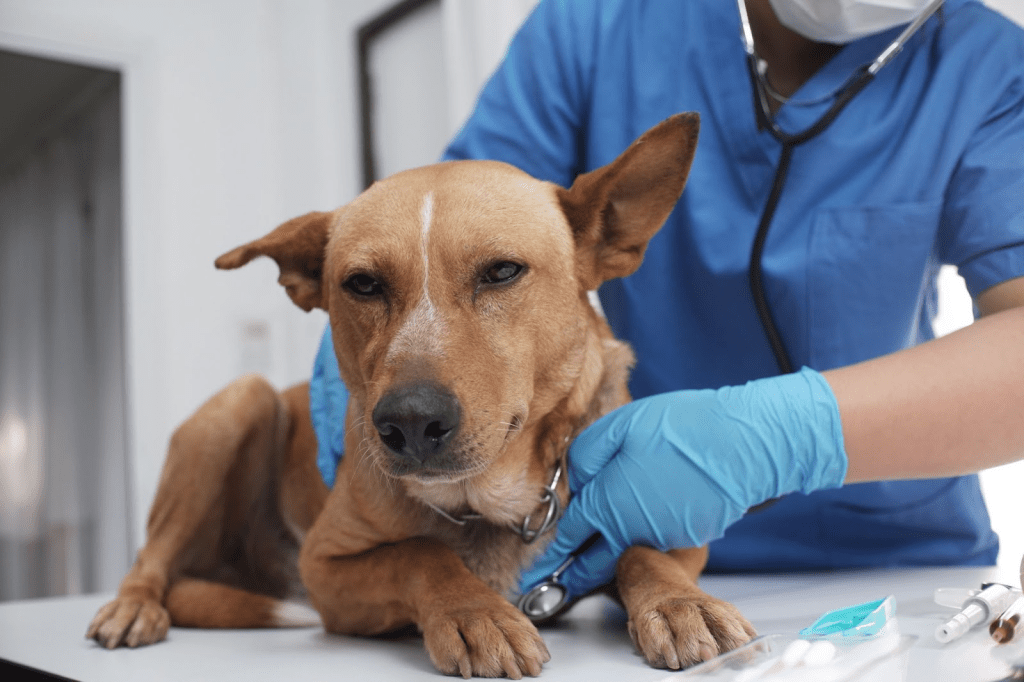
Since animals cannot explain where it hurts, veterinarians rely on observation and diagnostics to uncover the cause of discomfort. At Cloud Peak Vet Clinic, our approach combines careful physical exams with modern diagnostic tools, ensuring that pets and livestock receive accurate answers and effective treatment.
Physical examinations are often the first step. By gently testing muscles and joints, checking posture, and feeling for swelling or stiffness, veterinarians can pinpoint where pain is most likely occurring. These exams also help determine whether the distress is localized, such as in a limb, or more widespread.
Behavioral assessments give additional insight. Watching how an animal walks into the exam room, responds to touch, or interacts with people often reveals discomfort that owners may not have noticed at home. Even small changes in mobility or mood can provide valuable clues.
Diagnostic testing allows us to look deeper. X-rays can uncover arthritis or fractures, bloodwork can detect organ disease, and advanced imaging may be used for complex cases. These tools help confirm what the physical exam suggests, making it easier to build a treatment plan tailored to each animal.
Pain scoring systems are another tool veterinarians use, particularly in hospitals or after surgery. These structured scales measure things like posture, response to handling, and vocalization to give an objective picture of how much irritation or pain an animal is experiencing.
When owner observations are paired with veterinary diagnostics, pain can be identified sooner and addressed before it becomes a larger problem. For families and ranchers across the Big Horn Basin, this proactive approach prevents unnecessary suffering and supports healthier, more active animals.
Pain Management for Dogs, Cats, and Livestock
Once pain has been identified, the next step is management. Effective treatment restores mobility, supports healing, and improves overall wellbeing. Pain management may look different for a house pet than for a herd animal, but the goal is always the same: reducing suffering and promoting health.
Pain Management in Pets
For pets, pain management often includes safe medications prescribed by a veterinarian. These medications ease joint pain, reduce swelling, and control chronic conditions. Beyond medicine, supportive therapies such as laser treatments or rehabilitation exercises help pets regain strength and flexibility. Owners also play a role by adjusting diets, managing weight, and creating relaxed living spaces. Together, these steps mean pets are more active, playful, and connected with their families again.
Pain Management in Livestock
For livestock, pain management is closely tied to health and productivity. Anti-inflammatory treatments and wound care reduce suffering and allow animals to heal more quickly. Regular hoof trimming, careful monitoring for lameness, and prompt veterinary care after calving injuries help prevent small problems from becoming chronic issues. These practices not only improve welfare but also keep herds strong, mobile, and efficient. When pain is addressed swiftly, working animals recover faster and remain reliable contributors to the ranch.
With the right veterinary pain management plan, animals of every kind can move more freely, recover more quickly, and prevent future complications that affect quality of life.
How Owners Can Help at Home
Veterinary care is essential for diagnosing and treating pain, but day-to-day support at home makes a big difference too. By paying attention to changes and making small adjustments, owners can help pets and livestock stay active and stronger between visits.
Simple ways owners can support animals at home include:
- Watch for changes: Keep track of mobility, appetite, and mood to spot pain early.
- Provide good nutrition: Maintain healthy weight and balanced diets to reduce joint and muscle strain.
- Create comfort: Offer soft bedding, safe footing, and easy access to food and water.
- Stay consistent with care: Follow through on veterinary recommendations for medications, supplements, or therapy.
Owners play an important role in preventing pain from becoming chronic. For pets, this might mean helping a senior dog with gentle exercise or making a cat’s environment easier to navigate. For livestock, it can mean daily herd checks, prompt hoof care, and seeking veterinary help when something seems off.
The most valuable thing an owner can do is act quickly. What seems like a small change today could point to a larger problem tomorrow. By combining everyday attention at home with professional veterinary guidance, families and ranchers in our community can prevent minor issues from becoming serious and give animals the best chance at living healthful, more restful lives.
The Importance of Animal Pain Awareness Month
Animal Pain Awareness Month is not only a reminder that animals feel pain, it is also an invitation for owners, families, and ranchers to notice the signs early and take action. The campaign, led by the International Veterinary Academy of Pain Management, emphasizes that awareness leads to prevention, earlier treatment, and healthier lives for pets and livestock. Here in our community, Cloud Peak Vet Clinic is proud to take part in this effort by providing knowledge and veterinary care that help animals stay active, strong, and well cared for.
Taking Action During Animal Pain Awareness Month
Because animals often hide their pain, it is not always easy to spot, but it can still affect their wellbeing in big ways. Animal Pain Awareness Month is a reminder to watch for subtle changes and to act as soon as you can, before small issues turn into bigger problems. If a pet is slowing down on walks, eating less, or acting differently, or if livestock seem less active or show signs of lameness, it may be time to check in with your veterinarian.
At Cloud Peak Vet Clinic, we take the time to listen to your concerns and provide the exams, diagnostics, and treatment plans that make a difference. With preventative care and consistent support at home, pets and livestock can stay healthier, more active, and more engaged with the people around them.
Call Cloud Peak Vet Clinic today at (307) 347-2781 to schedule an appointment. Let’s use Animal Pain Awareness Month as a chance to give the animals we depend on and care for a stronger, resilient future.
For year-round guidance on recognizing and addressing animal pain, you can also read our article Animal Pain 101: Recognizing Symptoms and Exploring Treatments. Combined with this month’s awareness campaign, it provides a complete picture of how to keep your animals thriving and comfortable.