As the days grow longer and the temperatures rise, summer becomes a prime time for enjoying the great outdoors with our beloved equine friends. With all the joys of summer come several challenges that equestrians and farmers must navigate to ensure their horses stay healthy and comfortable all season long. The dual threat of heat stress and dehydration can pose serious health risks to horses, affecting their well-being and performance, which is why it is crucial that you have the tools and knowledge to prevent serious issues. At Cloud Peak Veterinary Clinic, we are dedicated to helping you navigate these challenges with expert advice and top-notch summer horse care. Read on to discover essential tips to ensure your horse thrives this summer, and remember, our team is just a call away for any concerns or emergencies. Trust our experienced experts to keep your equine companions healthy and happy through the hottest months of the year!
If you have any questions or concerns about the summer sun, contact Cloud Peak Vet Clinic today by coming to the clinic, filling out a contact form, or dial (307) 347-2781!
Heat Stress and Dehydration
While beautiful and necessary, the summer sun beating down on our endearing equines can lead to serious health issues, especially heat stress and dehydration. Just like humans, horses can suffer from the intense heat and prevention of summer-related conditions is necessary for any horse owner. Some common signs of heat stress and dehydration that you can look for are:
- Heavy sweating
- Rapid breathing
- Elevated heart rate
- Lethargy
- Thirst
- Dark-colored urine
It is important to keep your horse safe and comfortable in the Wyoming heat, so some easy ways you can prevent and manage these summer-related conditions are:
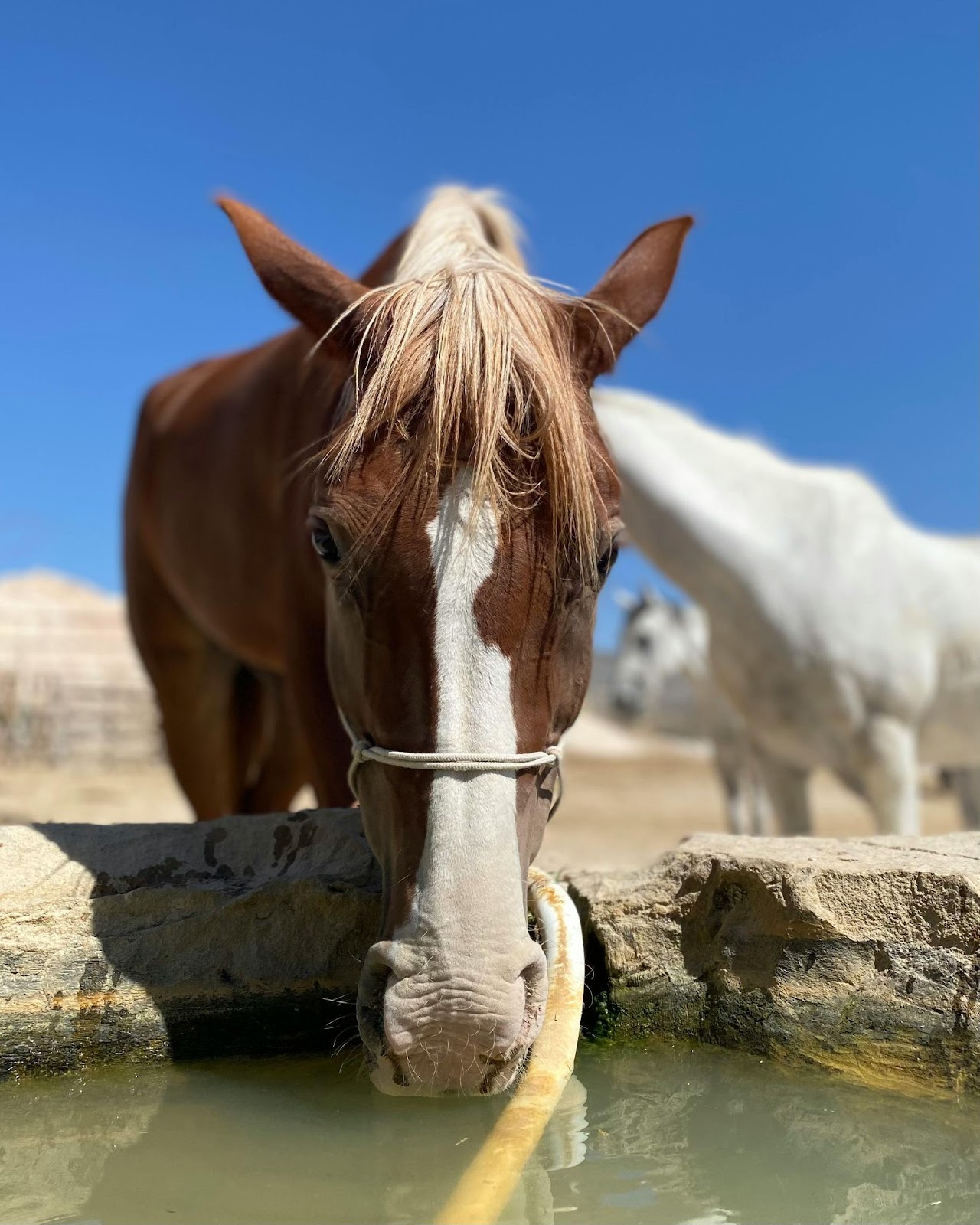
- Consistent Hydration: Ensure your horse always has access to fresh, cool, clean drinking water. If your horses are suffering from a loss of water, it may be necessary to add electrolytes to their drinking water to help replenish lost minerals.
- Shade: Whether your horses spend their time in their pasture, turnout, or stall, your horses need a place to cool off and rest. Make sure there is ample shade in these areas.
- Timing: Focus on training or riding during the cooler parts of the day, minimizing their risk of heat stroke. Schedule rides or training for early morning or late evening.
- Cooling Methods: Fans and misting systems are perfect in stables when your horses need a cool place to retreat to. Make sure these cooling systems are working and positioned for maximum cooling effect.
If you are concerned about your riding buddy and think they may be suffering from a heat-related illness, contact Cloud Peak Vet Clinic immediately! Dial (307) 347-2781 or come by the clinic in person for veterinary support.
Insect Control
As all equestrians know, summer is the peak season for flies, mosquitoes, and other insects that can cause irritation while transmitting diseases to our beloved equines. Knowing which pests are common and how to manage them is crucial to summer horse care:
Common Pests
- Flies: Beyond the obvious annoyance they are, flies can easily carry and transmit diseases. Commonly, flies have been known to carry anthrax, equine infectious anemia, tularemia, and more.
- Mosquitoes: Mosquitoes have direct access to the circulatory system of their host, allowing the viruses and diseases they carry that same access. These pests can transmit serious diseases and viral illnesses, such as West Nile Virus and Eastern Equine Encephalitis.
- Ticks: Found mostly in wooded or grassy areas, ticks can carry serious, long-term diseases and illnesses. Lyme disease and Equine Piroplasmosis are very commonly tick-borne.
Prevention and Management
- Protective Gear: Use fly masks and fly sheets to protect your horse.
- Repellents: Apply insect repellents regularly.
- Stable Management: Keep stables clean and remove manure frequently to reduce breeding grounds.
- Natural Controls: Use fly traps and introduce natural predators like parasitic wasps.
If you are experiencing extraneous pest issues, contact Cloud Peak Vet Clinic immediately! It is important to take on the issue ASAP to prevent any further injury or damage, so do not hesitate to call us at (307) 347-2781.

Sunburn
Horses, especially those with light-colored coats and pink skin, are prone to sunburn, particularly on their noses, around the eyes, and their legs. It is important to ensure your trail buddy is protected from the sun’s harmful UV rays; we recommend implementing at least one of the following;
- Sunscreen: Apply equine-safe sunscreen to particularly exposed areas.
- Shade: Ensure your horse has access to shaded areas during peak sunlight hours.
- Protective Gear: Use fly masks and UV protection to shield their faces from the sun.
Protect your horse’s skin and quality of life from sun damage, and give Cloud Peak Vet Clinic a call with any questions, concerns, or emergencies regarding summer horse care!
Pasture Management
The lush summer pastures we have here in Wyoming are a blessing, but overeating this beautiful greenery can lead to laminitis, a painful and crippling condition. Protect your horse from suffering from Pasture-Associated Laminitis (PAL) with these three tips:
- Rotational Grazing: Implement rotational grazing to manage grass intake while maintaining the health and longevity of the pasture.
- Grazing Muzzles: These muzzles are great for limiting your horse’s intake of the greenery.
- Pasture Monitoring: Regularly check your pastures and control weeds to ensure a healthy balance of forage.
If you are looking for tips tailored to your herd and their pasture, give Cloud Peak Vet Clinic a visit!
Exercise and Conditioning
While the summer sun and warm weather is ideal for riding, it’s crucial to adjust your horse’s exercise routine to prevent overexertion in the heat. It is very easy for an 1,100 pound horse to experience dehydration during this time of year, so make sure you implement the following:
- Warm-Up and Cool-Down: Warm up slowly and take the time to cool down properly.
- Breaks: While riding, take frequent breaks and use shade when available.
- Monitoring: Keep an eye on your horse’s breathing and sweating.
- Gradual Acclimation: Gradually increase activity levels, making sure to only exercise your horse if it is safe for the animal to do so.
If you are worried that your riding buddy might be experiencing a heat-related illness or condition, call our trusted veterinary team immediately! Dial (307) 347-2781 or come by the clinic today!
Expert Summer Horse Care
Summer presents a variety of challenges for horse owners, but proactive care is the key to safeguarding your horse against said challenges. By ensuring access to cool water, ample shade, and appropriate management of pests and sun exposure, you can mitigate the risks of heat stress, dehydration, and other seasonal concerns. Stay vigilant this summer season, and you’ll help your horse stay happy and healthy all summer long.
So, as you saddle up for those sunny rides and enjoy the extended daylight hours, remember that a little extra care goes a long way in making summer a wonderful season for both you and your equine companion. Contact your local Cloud Peak Veterinary Clinic for personalized care tips that are sure to make a positive impact this sunny season. Dial (307) 347-2781 or swing by our clinic to speak to an equine expert today!