Our pets are beloved members of our families, happily bringing joy, companionship, entertainment, and laughter into our homes. As responsible pet owners, the safety, health, and comfort of our furry friends is an essential, and sometimes demanding, responsibility. Often, we meticulously select the best food, toys, collars, and bedding for our pets, but what about the cleaning products, medications, foods, and pest controls that they can be exposed to? Many everyday and effective items found in many Wyoming households can pose a significant threat to our pets if ingested or exposed to, necessitating a thorough understanding of their potential hazards. Awareness of these risks is crucial when creating a safe environment for our beloved animals.
In our mission to safeguard the health of the pets in our community, it is important to stay informed and proactive. At Cloud Peak Clinic, we are dedicated to providing comprehensive care for your furry companions, including guidance on household safety. If you have any concerns about the products in your home or suspicions that your pet got into something they shouldn’t have, do not hesitate to reach out to our responsive team. Give us a call at (307) 347-2781 or stop by our clinic in person with any questions, concerns, or emergencies!
1. Cleaning Products
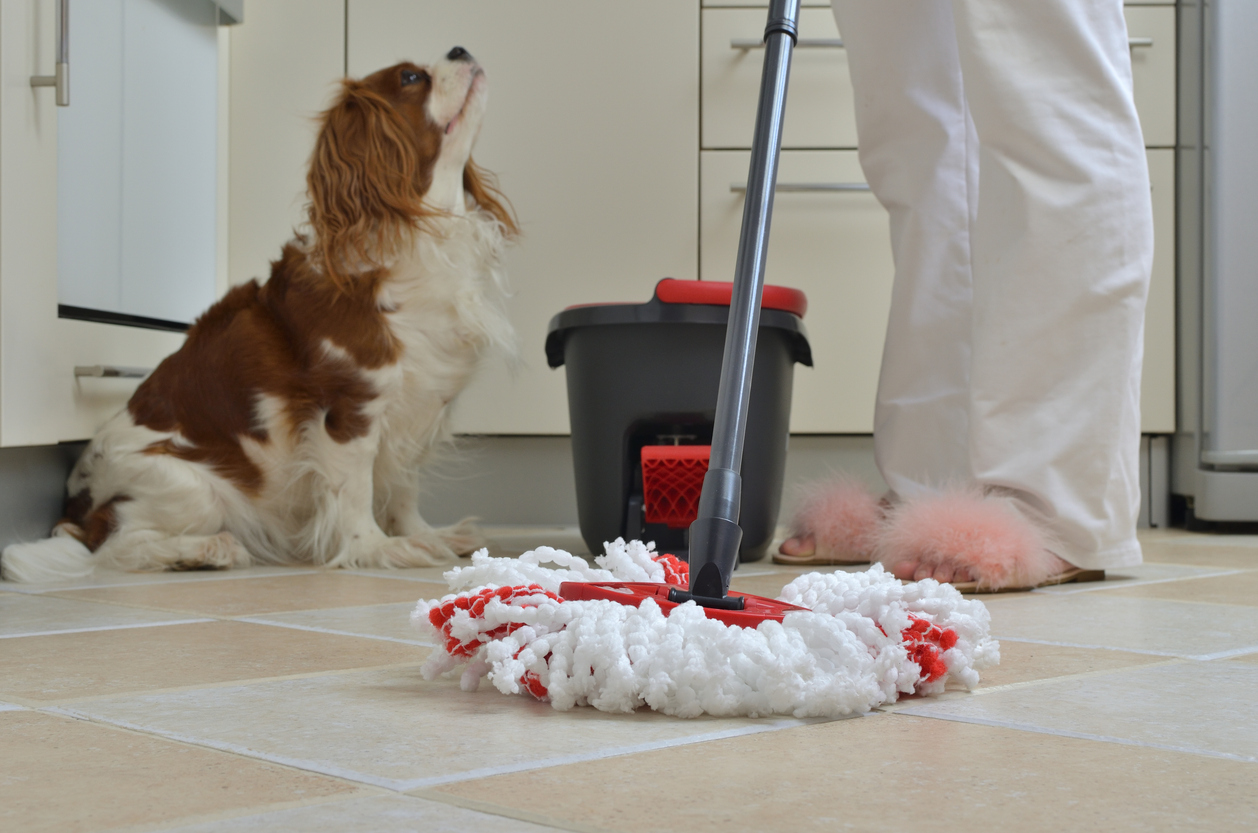
Many household cleaning products consist of chemicals that can be very toxic to pets if ingested or inhaled, making pet owner awareness essential. While some of these products are used in their true form, like bleach, it is important to check the label for a few very toxic ingredients that will determine if they are safe in homes with pets. Some chemical products that are toxic to pets are:
- Bleach – While it is an irritant at worst when it comes to many household-level cleaners, it is important to remember that the cleaning agents used by professionals and on farms may trigger much worse reactions. When ingested, bleach can cause an upset stomach, drooling, seizures, vomiting, and coma.
- Ammonia-based cleaners – Turn to the ingredient list to search for “ammonia,” as this chemical is commonly found in a variety of cleaners. Many window cleaners, aerosol sprays, surface cleaners, and, ironically, pet stain cleaners, have a hidden ammonia element that effectively breaks down dirt and grime. These cleaners can easily become toxic to your pet, causing irritation in the mucous membranes, respiratory issues, and severe intestinal pain.
- Essential oils – While there is plenty of information about the health benefits for humans when it comes to using essential oils, the contrary is often true for our furry companions. Often, essential oil toxicity depends on the concentration, solution, and formula of the oil, which can be rather difficult to decipher as a consumer. Because contact with these oils can cause our pets dizziness and depression, pet owners often opt out of incorporating essential oils.
- Toilet bowl cleaners – While you may be thinking to yourself, “Obviously, toilet bowl cleaners are toxic, but my dog is nowhere near the bathroom when I’m cleaning, so this is not a problem for me,” it is important to remember the chemical residue left behind when cleaning. These chemicals are not meant to be ingested, so if your pup takes a frequent sip out of their favorite porcelain bowl, contact our vet team!
- Cleaners with phthalates – Often used to extend the life of a fragrance, phthalates are found in nearly every scented cleaning product. While they may be pleasant to our noses, it is important to remember how detrimental this chemical is to not only us, but our pets. Phthalates have been linked to causing liver, testicular, and pancreatic tumors that can cause long-term health problems. Remember to read your labels carefully before using them around your furry friend.
When possible, utilize a baking soda and vinegar mixture on easy-to-clean or low-to-the-ground surfaces, as this solution is a non-toxic and effective option. While it is a great idea to opt for a pet-safe or natural alternative to any of the chemical products, it can be overwhelming to replace everything in your cabinets. If you have chemicals in your home, ensure that they are fully secure in a storage area that your pets do not frequent. Remember to keep your pets out of any room where a chemical is being used or actively drying to prevent inhalation and ingestion. If you notice any spills, promptly clean them up entirely. Contact Cloud Peak Clinic immediately if you suspect your furry friend may have gotten into your cleaning products!
2. Human Medications
While it is very recommended and encouraged to give your pet their medications, over-the-counter and prescription medications that are designed for humans can be extremely dangerous for them. Common meds like ibuprofen (Advil), acetaminophen (Tylenol), and antidepressants can cause serious harm and can even be fatal if ingested by pets. Some common consequences of ingesting these medications could be:
- Severe Vomiting
- Stomach/ Gastric Ulcers
- Kidney Failure
- Liver Failure
- If not treated, Death
To prevent these symptoms, be sure that all medication is stored in a secure area that is out of reach of curious pets. Unless directed by a reliable veterinarian, do not administer any human-grade medications to your furry friend. If you do, do not hesitate to call Cloud Peak Clinic immediately with concerns or questions! We have handled plenty of cases involving household pet poisoning, providing us with the expertise necessary to help your pet. Call us ASAP!

3. Common Plants
As highlighted in one of our earlier blog posts, it’s crucial that pet owners are aware that many common household plants, including those associated with holidays, pose a risk of toxicity to pets if ingested. Varieties such as lilies, azaleas, philodendrons, poinsettias, and tulips are among those that should be avoided. Symptoms of plant poisoning in pets may manifest as gastrointestinal discomfort or, in severe cases, organ failure. To avoid introducing a toxic substance, it’s prudent to research the plant’s safety for pets or consider pet-friendly alternatives before finalizing your purchase. If substituting the plant isn’t feasible, ensure that any toxic varieties are placed well out of your pet’s reach to prevent accidental ingestion. Taking proactive measures can safeguard the well-being of your furry companions and promote a safe environment within your home.
If you have specific questions or concerns about the greenery in your home, contact Cloud Peak Clinic right away!
4. Specific Foods
While some human foods are safe for pets in moderation, others can be toxic. Sometimes, we may want to give our pets a little piece of what we’re enjoying, whether it be meat, dessert, or anything in between, but we must remember that their digestive systems do not function the same way ours do. Before handing out samples, it is important that us pet owners have a strong understanding of which foods are safe as a treat for our pets. Foods that are harmful to pets regardless of the serving size include:
- Chocolate – This beloved sweet treat contains a chemical called theobromine, which can be extremely toxic to dogs and cats. Potential health risks from consuming chocolate are vomiting, diarrhea, restlessness, and a racing heart rate.
- Grapes and Raisins – While it is not known what causes the toxicity, grapes and raisins contain an unknown toxic substance that can cause severe problems in cats and dogs. It is believed that our household pets cannot properly metabolize some of the grape’s chemicals. If your pet consumes grapes or raisins, they could experience kidney failure.
- Onions and Garlic – While onions and garlic are considered to be superfoods that offer a myriad of benefits, our pets cannot consume either vegetable; both belong to the same scientific family, Allium. Onions and garlic contain compounds that can damage red blood cells.
- Xylitol – Listed in the ingredient list of many sugar-free treats, xylitol is a sugar-substitute that has proven to cause harm to dogs and cats. This chemical is commonly found in sugar-free gums, candies, and baked goods, necessitating close label reading. Consumption of this chemical for pets can cause a rapid release of insulin, leading to hypoglycemia and liver failure.
Be mindful of what foods are accessible to your pets, whether it’s through intentional feeding or keeping the toxic foods away from them. Avoid feeding your furry companions table scraps without first confirming their safety with a trusted veterinarian. For more comprehensive information about what foods can be ingested by household pets or livestock, check out our complete nutrition guide!
5. Pesticides and Insecticides
Wyoming experiences varying seasonal changes, which causes our local insects, rodents, and pests to easily overtake any space when the weather becomes warmer. Products that are commonly used to control pests in and around the home, such as insecticides and rodenticides, can be extremely toxic to pets if the substance is ingested. It is crucial to your pet’s health and safety that the manufacturer’s instructions are followed carefully when the products are in use. If possible, consider using pet-safe alternatives that will take care of unwanted pests without the potential harm to our companions.
When it comes to rodenticide, our Cloud Peak Clinic has seen a variety of cases involving pets accidentally consuming it, which is why we have a clear preference for D’Con over Bar Bait. If you want to learn more about why, check out this previous blog!
It is also important to note that flea and tick treatments labeled for dogs may be toxic to cats, and vice versa.
Rely on Your Local Vet
Our homes, while safe haven for our wonderful furry companions, can harbor hidden dangers in the form of everyday household products. From potent cleaning agents to favorite foods and beyond, the potential for toxicity underscores the importance of pet owner awareness and action. By understanding the risks associated with these common items and taking the proactive measures to mitigate them, we can create a much safer environment that our pets will thrive in. Remember, a little knowledge can go a long way in safeguarding the health and well-being of our furry family members, so stay vigilant and careful as you choose which products are best for your home.
At Cloud Peak Clinic, we’re committed to supporting pet owners in their efforts to provide optimal care for their furry family members. If you have any concerns about the safety of household products or suspect your pet may have been exposed to something harmful, don’t hesitate to contact our dedicated team. Whether it’s guidance, advice, or urgent care, we’re here to provide the support and expertise you and your pet need. Reach out to us at (307) 347-2781 or visit our clinic today!