

Cats are renowned for their agility and grace, and a huge part of why they can be so nimble is their tail and its functionality. Their tail is a vital aspect of any cat’s lifestyle as it aids in balance, coordination, communication, hunting, play, and so much more. As such, injuries relating to a cat’s tail need to be treated promptly and in collaboration with a trusted vet professional. Tail pull injuries especially can cause serious long-term harm to a cat’s health and lifestyle, which is why it is paramount that cat owners understand the causes, symptoms, treatments, and preventions of this injury.
Tail pull injuries are relatively self-explanatory, but the name does not quite capture the reality and consequences of the injury. When a feline friend experiences a tail pull injury, their tail is traumatized by an outside force and can cause severe internal damage. Often, the soft tissue surrounding the tail’s bones will swell, inflame, bruise, and even tear, most of which is visible to us as cat owners. Not to mention, the nerves within the cat’s tail and pelvic region are frequently damaged, which can negatively impact the animal’s quality of life for an extended period of time. This injury can also lead to the breaking of blood vessels, possible fractures or dislocations, and even paralysis. Keeping the tail’s importance in mind, tail pull injuries can be distressing for both cats and their owners, which is where our Cloud Peak Vet comes in.
You deserve to feel prepared for any and all situations relating to your kitty companion, and we will help you to gain the necessary confidence and tools. This general guide that we have provided is created to inform you, and all cat owners, of vital information relating to your kitty’s tail, but if you think that your cat has sustained a tail pull injury, do not hesitate to reach out to our dedicated vet team! We have a long history of caring for Washakie County cats and their tail pull injuries, so come right into our clinic or call us up for more immediate help. Dial (307) 347-2781 at any time for Cloud Peak Vet’s professional feline care.
What Causes a Feline Tail Pull Injury?
Cats, with their graceful tails, are not immune to the perils of accidental trauma that can lead to serious injuries. There are a wide variety of scenarios where cats may experience tail pull injuries, including accidents, human interactions, and even encounters with fellow animals. It is important for us as cat owners to understand the sources of these injuries as we ensure the well-being of our feline companions. To help with your understanding, here is some basic information about the three most common causes of a feline tail pull injury:
- Accidental Trauma: More often than not, tail pull injuries are caused by an accident that results in serious trauma to the tail, especially the nervous system. Indoor cats have a tail that can be easily caught in a door, under furniture, or in a closing window, all of which can lead to a tail injury. Outdoor cats experience different kinds of threats than their insulated counterparts with the main one being automobile accidents and collisions. Any of these accidental traumas can result in serious tail pull injuries.
- Human Interaction: Behind accidents, human interaction is, unfortunately, a relatively common cause for feline tail pull injuries. While there are rare examples of the contrary, tail pull injuries occur when well-intentioned humans mishandle a feline friend. It is important to inform those not familiar with cats how to properly handle them in a way that will not result in a tail avulsion injury. Avoid pulling on your kitty’s tail and allowing children to do so as it can lead to serious injury.
- Other Animals: Some cats may also become injured during rough play with other animals. If a feline friend is involved in conflicts with other animals, its tail may be pulled, bitten, or even broken in the scuffle. It is important to keep an eye on how your pet interacts with other animals, especially if you have a multi-pet household. This causation occurs less frequently than the other two, but its impact cannot be overstated.
As devoted caregivers, it is our responsibility to safeguard our feline friends from unforeseen dangers that may lead to tail pull injuries. Whether it be an accidental mishap within our homes, well-meaning yet misinformed human interactions, or the occasional rough play with other animals, awareness and preventative measures are key. By educating ourselves and others on proper feline handling and fostering a vigilant environment, we contribute to a safer and healthier life for our beloved cats, preserving the elegance and functionality of their tails for years to come.
Symptoms to Look for
Understanding the subtle cues and signals that our feline friends communicate is crucial to providing them with the care they deserve. To execute adequate care, it is important that you have the necessary insight into feline tail pull injuries and the indicators that should be on your radar. Your cat may undergo physical and behavioral changes ranging from physical discomfort to lashing out. Their body language can tell you a million and one things about what your cat is feeling or thinking, including injuries and pain. Recognizing alterations in tail position and changes to the animal’s mobility can be key to early detection and prompt intervention. While every cat expressed themselves uniquely, here are some of the most common symptoms that you should be on the lookout for are:
- Pain and Discomfort – When experiencing any type of injury, cats are notorious for hiding how they truly feel, which may be a sign in and of itself. If your cat is constantly lowering their head, hunched over more frequently than usual, or their body muscles look very tense, they could be hiding pain or an injury from you. Beyond that, a tail pull injury can elicit a very strong response when an injured tail is touched. Often centralized at and around the base of the tail, pain from a tail pull injury can be excruciating for an animal to endure, but easy for us to recognize. If your feline friend is experiencing pain, especially in the head of their tail, reach out to our dedicated team immediately.
- Swelling and/ or Bruising – When the tail is damaged, the underlying nerves and spinal cord connections are often traumatized, causing bruising and swelling. Often, this swelling or bruising is localized at the base of the tail, also known as the tail head, but it can be found along any part of the tail.If you suspect an injury, check your kitty’s tail for any changes in color, shape, or texture as they can be strong indicators of a tail pull injury.
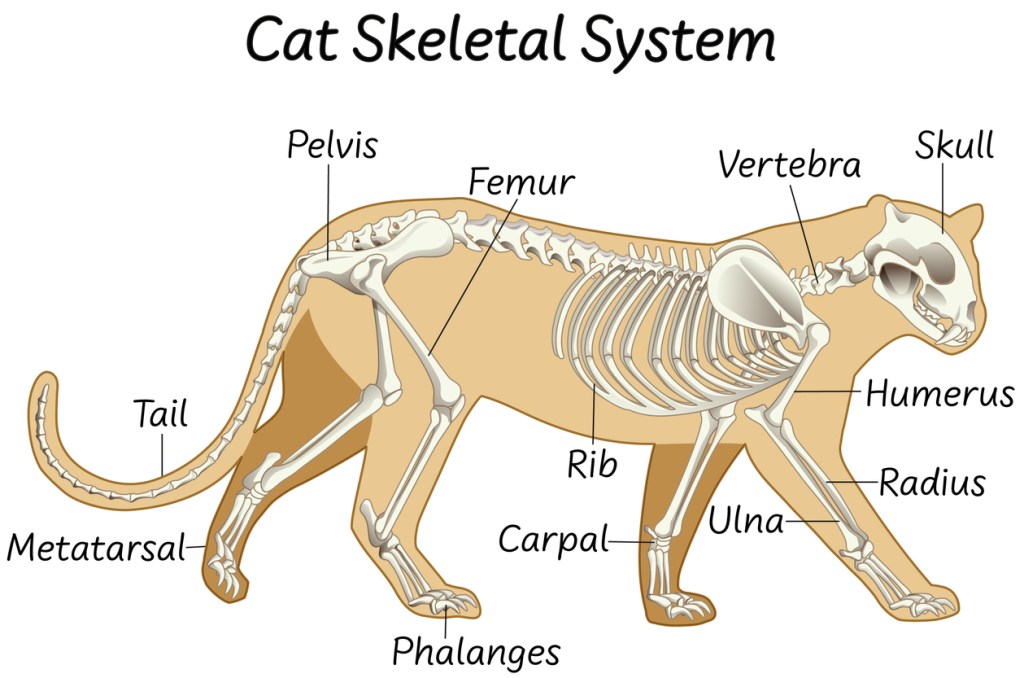
- Changes in Tail Position – As a cat owner, you know that your cat’s tail has a personality of its own. Your feline friend uses their tail for a myriad of purposes, but conveying emotions is one of the most important ones for us cat owners to understand. When in pain, your cat may hold their tail in an unusual position to avoid that discomfort. Often, a changed tail position will involve the tail being held straight out, tucked between their legs, hanging limply, or simply a crooked tail. In severe cases, a feline can actually lose complete function of their tail.
- Difficulty Walking or Jumping – If you notice a change in your cat’s activity, whether they refuse to or have difficulty walking and jumping, it may be a strong indicator of a tail pull injury. With the effects a tail injury has on the animal’s pelvic region, their legs may experience uncontrollable weakness and fatigue. Climbing, walking, and jumping may be much more difficult for a feline with a tail pull injury to accomplish safely. If you notice a change in your cat’s physical abilities, specifically the lower limbs, contact your trusted vet team immediately.
- Urinary Incontinence – As discussed, a tail pull injury can result in much more serious consequences than just a crooked tail. With the pelvis being so close to their spinal cord and caudal vertebrae, pelvic function can be largely impacted when a tail pull injury occurs. When affected, the pelvic floor cannot hold urine and bowel movements as easily, causing frequent and uncontrollable accidents. Urine can easily leak from their bladder when experiencing a tail pull injury, which can be an informative indicator to you that something is wrong.
Understanding the nuanced language of feline communication is paramount for providing your feline friend with the quality care they deserve. It is important to recognize the signs of feline tail pull injuries as cats have a tendency to subtly express pain and discomfort through small changes in their behavior and body language. Keep an eye out for the symptoms we previously discussed and identify any issues promptly as this monitoring can prevent long-term issues. Accurate identification of these indicators, such as pain responses, swelling, changes in tail position, difficulty in mobility, and even urinary incontinence, is essential for early detection and intervention. By staying attuned to these subtle cues, cat owners like you can take proactive measures to address potential tail pull injuries, reinforcing the bond between you and your feline friends while safeguarding their health and happiness.
Treatment Options
Addressing and treating your feline’s tail pull injury requires a thoughtful and strategic approach to yield the best results. After the injury occurs, or you suspect that it did, there are four measures that should be taken to preserve your cat’s health. It is crucial that you understand the necessary treatment protocols, as your comprehension can ensure that your feline friend has the best chance at a full recovery and unimpeded movement in the future. Starting with the crucial initial steps of seeking professional veterinary intervention, we will explore key considerations for managing pain, facilitating rest, implementing restrictions, and encouraging follow-up care.
1. Veterinary Examination: If you suspect that your feline friend has sustained a tail pull injury, you need to contact your trusted vet first and foremost. Seeking veterinary intervention promptly will leave more opportunity for your cat to fully recover. At the clinic, the vet team will determine the severity of the injury and the necessary course of action. Every animal will require a treatment plan dedicated to their specific needs, which is what your vet will do for you. Reach out to a trusted vet for more information or an immediate appointment.
2. Pain Management: Pain relief is a crucial aspect of treating and caring for tail pull injuries. As discussed, a tail pull injury can limit a variety of necessary bodily functions, like urination, defecation, and nerve signaling. If your kitty has a tail pull injury, ensure that you and your loved ones are treating them with kindness and gentleness to prevent further injury. Your veterinarian will offer treatment options that are right for you; this may include pain medication that should be given regularly. Follow through on whatever pain management strategies your vet recommends to keep your cat as comfortable as possible.
3. Rest and Restriction: Proper healing can only occur if the afflicted animal has plenty of rest and minimal activity. Preventing your cat from playing might seem cruel, but by restricting their movements, you are ensuring that the damaged portion of their tail can fully recover. Restricting your pet may be as simple as keeping them indoors or as complicated as confining them to a comfortable and quiet space. Speak to your vet if you are unsure of how to restrict your cat’s movements.
4. Follow-Up Care: After the incident and initial treatment, regular check-ups are paramount to your cat’s recovery. During these visits, your vet can re-examine and re-access any pain, bruising, or swelling to determine the effectiveness of the treatment plan already in place. Your vet can adjust pain medication doses, change dressings, and alter the treatment plan, all of which are vital to your kitty’s recovery.
As we have discussed, your feline’s tail pull injury necessitates a careful and veterinarian-backed approach to optimize outcomes. These four essential measures form a comprehensive guide to safeguard your cat’s health and facilitate a full recovery. By promptly seeking professional veterinary intervention, understanding treatment protocols, and actively participating in your cat’s care, you pave the way for unimpeded movement and well-being in the future. Remember to stay vigilant, follow through on recommended strategies, and engage in regular check-ups to address ongoing adjustments for the best possible recovery journey for your beloved feline companion.

Prevention Methods
Now that we have discussed the severity of tail pull injuries and the subsequent consequences, it is important that cat owners know what steps they can take to prevent this kind of injury. From vigilant supervision to regular vet appointments, these prevention methods aim to cultivate a safe space for your feline friend to thrive in. The prevention steps we recommend taking are:
- Supervision: Implementing consistent supervision when it comes to your furry friend can greatly reduce the chance of a tail pull injury. When you can, supervise the interactions between your cat and other animals or small children. Keep an extra keen eye if the animals in your house have a history or streak of aggression.
- Child Education: Teaching children how to properly handle and care for a cat is a great way to reduce the risk of an injury, especially around kids. Teach them to use gentle hands, have a calm demeanor, and avoid playing with the tail. By teaching them young, the risk of a tail pull injury greatly decreases.
- Safe Environments: Create a safe, and trustworthy, environment for your kitty by removing the potential hazards that could cause a tail pull injury. Securing doors, windows, and furniture is a great way to create a safe environment for your cat to roam, sleep, play, and eat in.
- Regular Vet Check-Ups: Schedule regular veterinary check-ups to catch any potential health issues, including a tail pull injury, early on and address them before they escalate. Your vet will be able to diagnose and treat any health problems your cat may have, especially when it comes to their tail.
As we conclude our exploration into the seriousness of tail pull injuries and their implications, it is crucial for cat owners to equip themselves with preventive care measures. These steps are integral components of fostering a safe space for your feline friend to thrive, and by implementing these preventative strategies, you not only reduce the risk of tail pull injuries but also contribute to your cat’s overall well-being. Stay proactive in creating a nurturing environment, ensuring a happy and healthy life for your cat companion.
Veterinary Care for Cat Companions
Our journey through feline tail pull injuries illuminates the intricate balance between understanding, treatment, and prevention for any cat owner. Being the mouthpiece for our cats, our responsibility extends beyond recognizing the signs and seeking veterinary care; it involves fostering an environment where our feline friends can thrive unhindered. The complexities of tail injuries emphasize the need for continual education, vigilance, and proactive measures to safeguard the short and long-term well-being of our cherished companions. But, you do not need to carry this burden on your own!
If you are concerned that your furry family member has a tail pull injury, do not hesitate to call Cloud Peak Vet! We care deeply about the cats in our community, so give us a call anytime at (307) 347-2781 for an immediate answer and reliable help. You and your cat deserve peace of mind when it comes to a potential tail pull injury, so connect with our compassionate team to feel confident, no matter how rough your kitty plays!